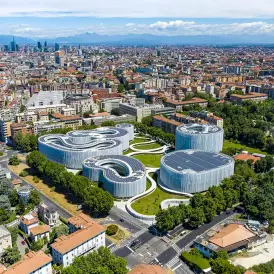

Overview: Growing Momentum in Sustainability Education in Western Europe
Western Europe has emerged as a nucleus for advanced education in sustainable development and environmental management. In response to climate challenges, regulatory developments, and technological transformation, universities across the region are refining their programs to meet market needs. As of 2026, these Master’s degrees are not simply academic offerings—they are engines of impactful change, preparing a new era of environmental leaders and strategists.
International students account for around 40% of enrollments, showcasing the region’s global pull. With over 100,000 students involved in sustainability-focused programs, the annual growth rate from 2020 to 2026 sits between 8% and 10%. Demographic trends point to a balance of younger students and mid-career professionals transitioning into sustainability-focused roles.
This evolution echoes wider educational developments seen in domains such as human resources management and corporate social responsibility, where shifting global priorities demand new skill portfolios.
Curriculum and Academic Innovation: Enabling Real-World Impact
The structure of Master’s programs in 2026 reflects the urgent interdisciplinary nature of sustainability. Environmental science is now taught alongside economics, policy, and technology. Key thematic areas with rising popularity include:
- Circular economy and climate resilience
- Sustainable energy systems and green urban planning
- Environmental data analytics powered by AI tools
- Sustainable finance and ESG auditing
Programs increasingly emphasize hands-on components like capstones, internships, and research projects. Collaborations with NGOs, local and international governments, and the private sector are commonplace. Stackable micro-credentials and modular learning routes are growing, inspired by trends also visible in data analytics education and related lifelong learning programs.
Hybrid and online learning formats are benefitting working professionals looking to gain or expand expertise without pausing their careers. The adoption of tech-driven learning models makes Western Europe a leader in sustainability education infrastructure.
Green Skills in Demand: Pathways to Employment
Employers in public, private, and nonprofit spaces are actively recruiting graduates with robust environmental and technology skills. Common technical competencies demanded include:
- Environmental impact assessments
- Data analytics and climate modeling
- Project management and policy integration
Equally important are transversal abilities like strategic thinking, communication, and leadership—enabling graduates to drive change across complex landscape of stakeholders.
This blend offers opportunities in sectors sprawling from consulting to finance, echoing routes pursued by graduates in other dynamic fields like consulting and strategy and financial markets.
Graduates enter roles such as sustainability officers, environmental consultants, and ESG analysts, with entry salaries ranging from €35,000 to €50,000—higher for specialist roles.
Quality, Accreditation & International Recognition of the Master in Sustainable Development and Environmental Management in Western Europe
Western Europe’s institutions benefit from a strong quality assurance ecosystem. Agencies such as the UK's Quality Assurance Agency (QAA) and Germany’s Accreditation Council impose consistent academic and operational standards.
The Bologna Process supports academic mobility through the European Credit Transfer and Accumulation System (ECTS), enhancing cross-border recognition of qualifications. Post-study visa policies in countries like the Netherlands, Germany, and Ireland remain favorable, supporting the career aspirations of international students in line with graduate pathways in fields like international management.
This regulatory robustness amplifies Western Europe’s attractiveness as an educational hub while ensuring academic portability for graduates worldwide.
Cost, Funding, and Accessibility: Educating for All
Affordability is central to the access debate. Tuition fees range broadly—from €6,000 at public institutions to over €35,000 at top-tier private universities. Financial assistance, in the form of scholarships, public grants, or corporate sponsorships, is increasingly available. Many companies are supporting current employees in acquiring green skills, in alignment with trends in energy and natural resources sectors.
The return on investment for these Master’s programs remains high, both financially and socially. Beyond salary metrics, many students cite long-term career fulfillment and mission-driven work as bonuses when working within environmental sectors.
Global Competition and Strategic Partnerships
Master’s in sustainability in Western Europe face increasing global competition. Yet the region maintains a reputation for academic excellence and regulatory clarity. European universities are forging stronger connections with EdTech platforms, enabling virtual internships and remote learning opportunities that attract more international students.
Cross-border degrees and research partnerships are becoming increasingly common. Western Europe’s programs benefit from Europe-wide frameworks and research funding, not unlike those observed in other internationalized education sectors such as digital law and new technologies.
Risks and Challenges on the Road Ahead
Despite growth, the sector must overcome key challenges. Rising tuition may limit accessibility, particularly for students from emerging economies. Meanwhile, the demand for expert faculty exceeds supply. Institutions must invest in faculty training, research environments, and cutting-edge technologies to keep pace with innovation in domains like environmental risk and security.
Another key issue: alignment with labor market needs. While many programs are introducing policy labs and real-world simulations, deeper integration with industry through co-creation of curricula and employment pipelines is still required.
Projections: Innovation and Opportunity Beyond 2026
From 2026 through 2028, the picture remains bright. Where baseline growth is steady, accelerated scenarios envision increased use of blockchain and advanced AI in sustainability education. Universities are piloting adaptive learning platforms and data-driven course customizations.
Execution of the EU Green Deal Industrial Plan and expansion in green finance will continue to shape job creation and program curricula. Similarly, demand for evidence-based policy and resilient infrastructure will foster research in interdisciplinary institutes and think tanks.
Digital innovation and global research consortia will further strengthen Western Europe’s position at the intersection of environmental education and global impact.
Unlocking a Sustainable Future Through Education
Master’s programs in Sustainable Development and Environmental Management are crucial to building a net-zero, inclusive, and economically sound future. As academic institutions in Western Europe evolve their programs to reflect real-world challenges and technological frontiers, they create a blueprint for sustainability education worldwide.
By aligning education with pressing societal needs, and linking theory with impactful practice, Western Europe is poised not only to educate but to lead. To explore top programs in this field, check our ranking of Master's in Sustainable Development and Environmental Management.
The urgency of climate action and sustainable management cannot be overstated—education stands as the linchpin between today’s crises and tomorrow’s solutions.